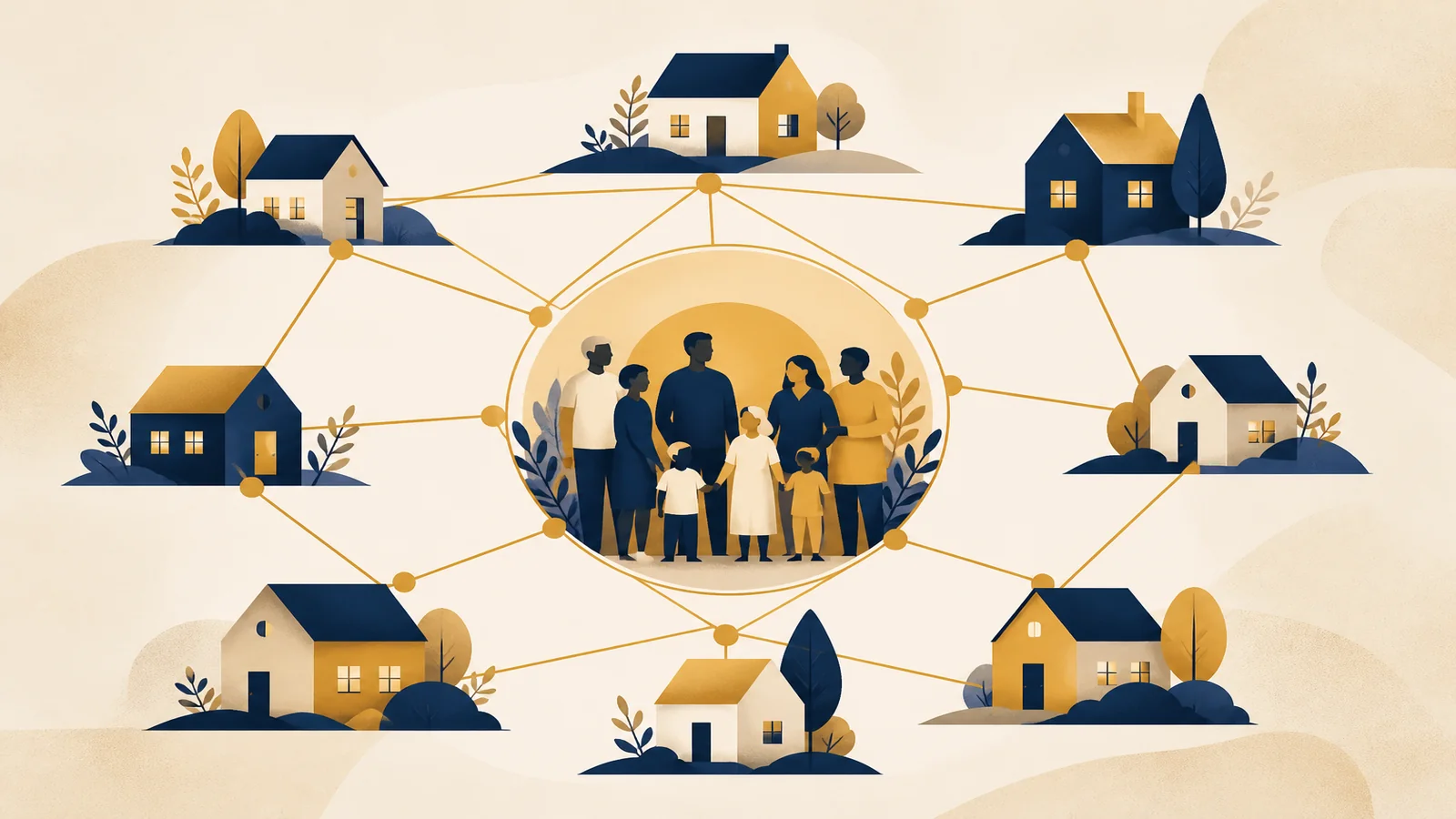
The family is not an island separate from society; what we learn at home about trust, responsibility and dialogue travels with us into every space in which we participate.
When we search for the reasons behind a society’s cohesion, we find institutions, laws, education and services. Yet there is another, less visible daily layer: the kind of relationships in which individuals grow up within the family. Someone who learns at home that difference can be discussed respectfully, responsibility is shared, older people are valued and younger people are heard carries these patterns into society.
“We the UAE 2031” includes cohesion, harmony, tolerance and giving among the characteristics of an advanced society, while the Year of the Family 2026 focuses on strengthening bonds and daily family practices. The connection is clear: society is not something separate from our homes; it is the sum of the relationships we carry with us outside them.
Trust is learned
Trust does not mean an absence of rules. In a healthy family, a child knows that boundaries exist, but also knows that a mistake does not erase their love or worth. This balance later helps them deal with authority and responsibility without excessive fear or constant rebellion.
The family also teaches the meaning of keeping a promise. When family agreements are clear and adults follow them before expecting children to do so, responsibility becomes behaviour rather than rhetoric.
Resolving disagreement is a social skill
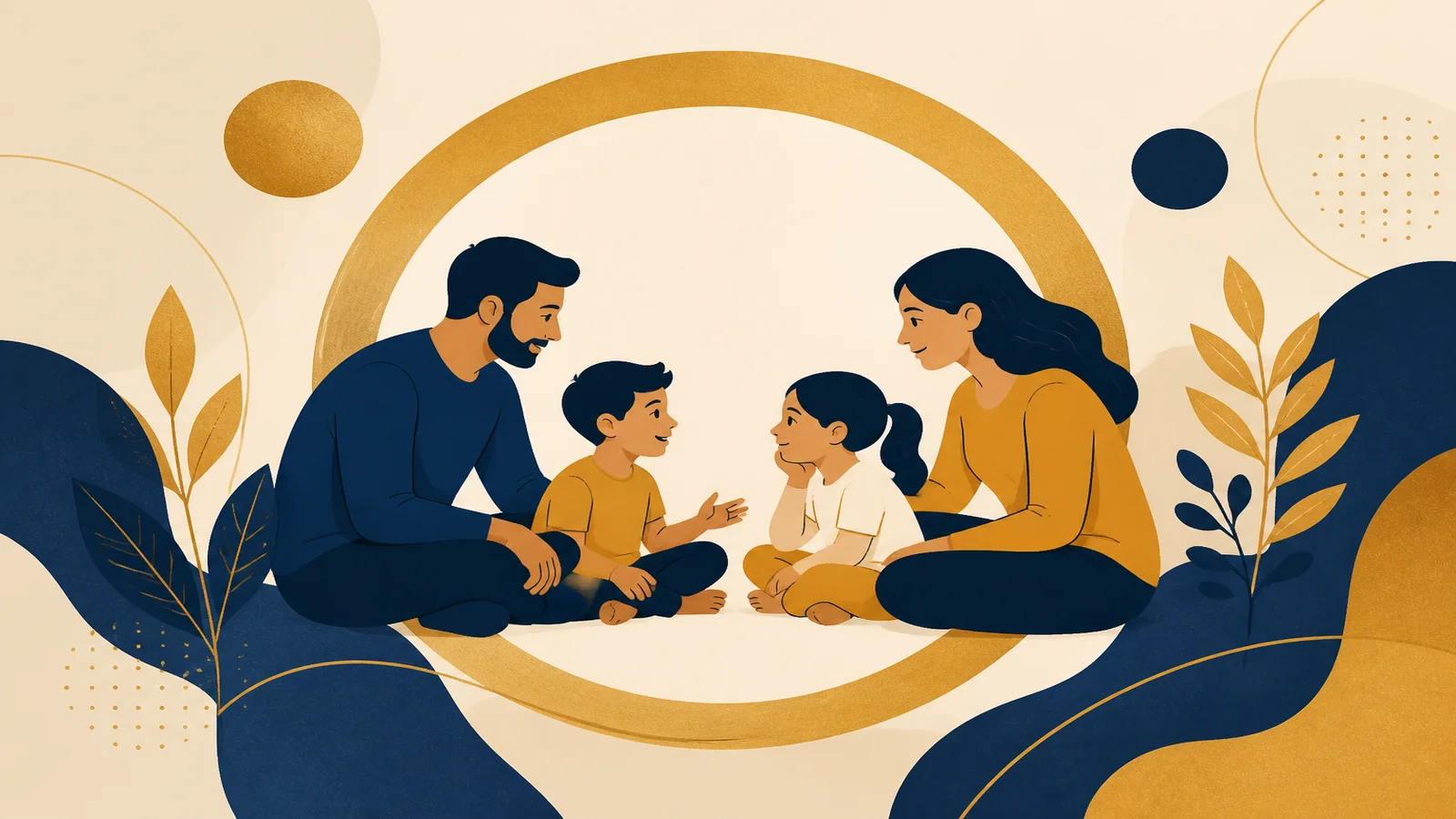
Every household knows disagreement. Some families turn it into a space for learning, while others turn it into a continuing wound. The skills practised at home—listening, regulating anger, apologising and searching for a solution—are the same skills needed in teams, councils and society.
It helps for a family to have rules for disagreement:
- No insults.
- No sweeping statements such as “You always…”.
- Do not bring up old issues unrelated to the current discussion.
- Take a break if the conversation moves out of control.
- Return to the problem after everyone is calmer.
Shared responsibility
When an entire household depends on one person serving everyone else, children do not learn participation. Sharing household responsibilities according to age teaches life skills and respect for effort.
Participation does not reduce the parents’ role. It turns the home into a place where everyone learns that they are part of the outcome. The same principle matters in society: we cannot ask institutions alone to build cohesion while abandoning our own role in the neighbourhood, family and digital spaces.
Protecting family space
Modern life is fast, so family time must become intentional. If we leave it to whatever time is left over, it may never arrive. A simple weekly ritual can be enough to begin: visiting relatives, sharing a meal, exercising together or holding a family gathering.
The aim is not to manufacture an ideal image of family life. It is to create a steady rhythm that makes communication part of life before a crisis appears and demands repair.
Family and openness
Family cohesion does not mean isolation. On the contrary, a family that is confident in its values is more able to respect difference. A child who knows their identity and does not feel that every difference threatens it can be open to others without losing themselves.
This is where family meets tolerance: we raise children to take pride in their identity while respecting the diverse cultures, faiths and backgrounds living together in the UAE.
What can a family begin this week?
- Choose one value and agree on a practical behaviour that represents it.
- Share one device-free meal.
- Call or visit a relative with whom contact has been lost.
- Give children a new household responsibility.
- Hold a short discussion about a family decision and listen to everyone.
- Make time for a story from an older family member.
A cohesive society does not begin in a distant place. It begins when the home is a space of trust, respect and participation. When family members carry these values outside, social cohesion becomes the natural result of millions of small practices.
Official references
- Year of the Family 2026 – The Official Portal of the UAE Government. https://u.ae/en/Year-of-family/Family-year-2026
- We the UAE 2031 Vision – Society Pillar – The Official Portal of the UAE Government. https://u.ae/en/information-and-services/social-affairs/society-and-we-the-uae-2031-vision
- National Strategy for Wellbeing 2031 – The Official Portal of the UAE Government. https://u.ae/en/about-the-uae/strategies-initiatives-and-awards/strategies-plans-and-visions/social-affairs/national-strategy-for-wellbeing-2031
Reference links were checked during package preparation on 25 August 2026. If a policy or link changes, the official source remains the most up-to-date reference.