
People first
Behind every subject is a person, behind every opinion is an experience, and behind every difference is an opportunity to understand. The content here therefore begins with respect for people, their dignity, and their needs.
I believe knowledge is not complete when we keep it to ourselves. A positive word can open the door to an idea, and an idea can change how we see people and society. I created this personal space to share what I learn, the values I believe in, and what I find useful in everyday life: how we can listen better, communicate with respect, disagree without losing goodwill, and turn our presence in society into meaningful impact.

Knowledge creates lasting impact when we can live it, not merely read it.
A personal knowledge platform focused on people, values, and society, offering articles, intellectual works, and awareness content informed by the UAE's national directions.
Behind every subject is a person, behind every opinion is an experience, and behind every difference is an opportunity to understand. The content here therefore begins with respect for people, their dignity, and their needs.
Knowledge loses part of its value when it is not shared. Here I offer articles, tools, and practical ideas in clear language so knowledge can stay close to life and become easier to apply.
Respect, tolerance, giving, and responsibility are not seasonal themes. Their true value appears in how we speak, decide, relate to our families and communities, and behave in the digital world.
I am less interested in producing a large volume of content than in creating content that inspires a useful idea, a better behaviour, or a more thoughtful conversation.
Practical ideas that help us listen, communicate, and live our values in everyday life.
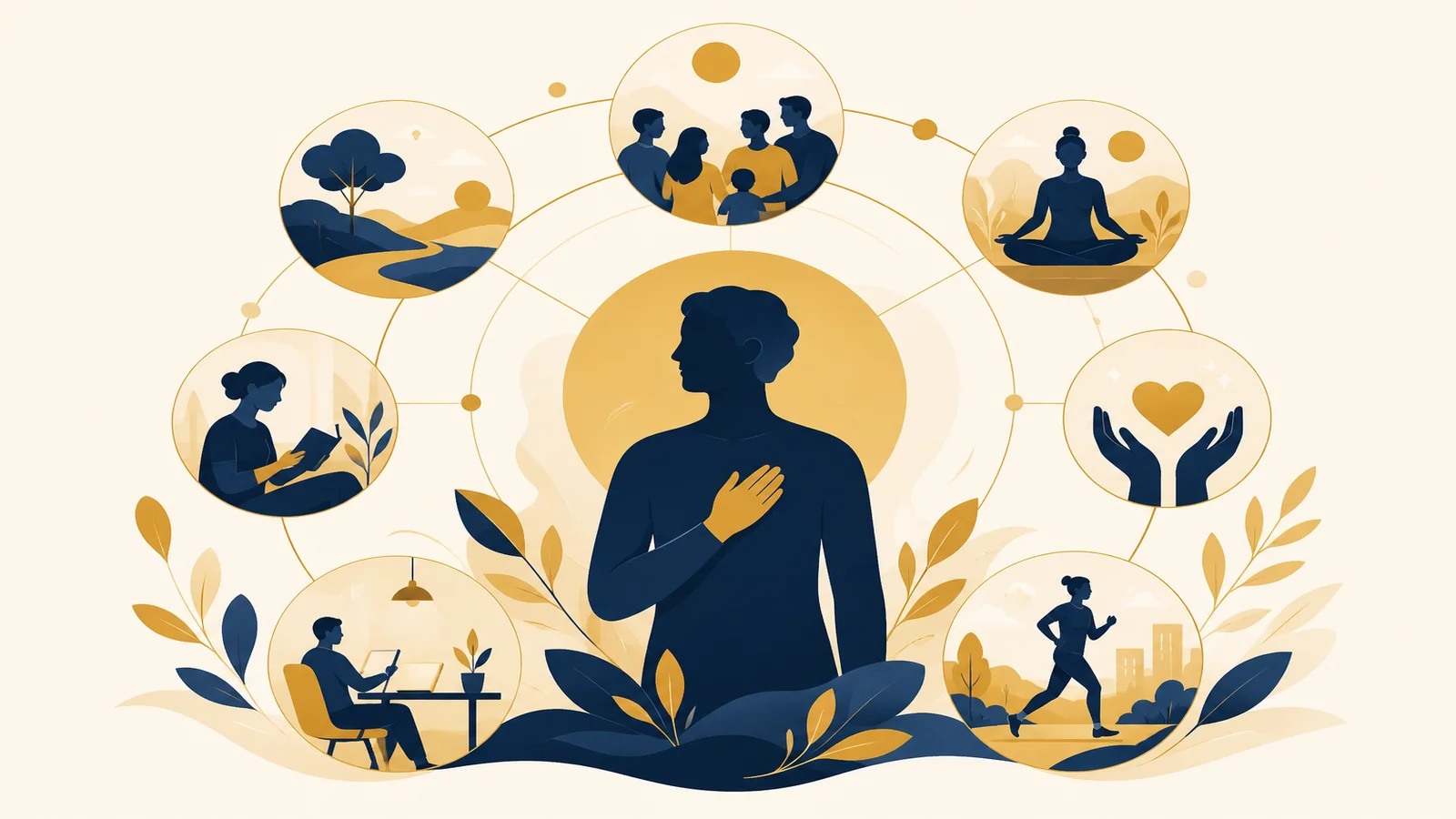
Quality of life is not built only through major projects; it is also shaped by everyday details that respect people and give them a sense of safety, care and the ability to participate.
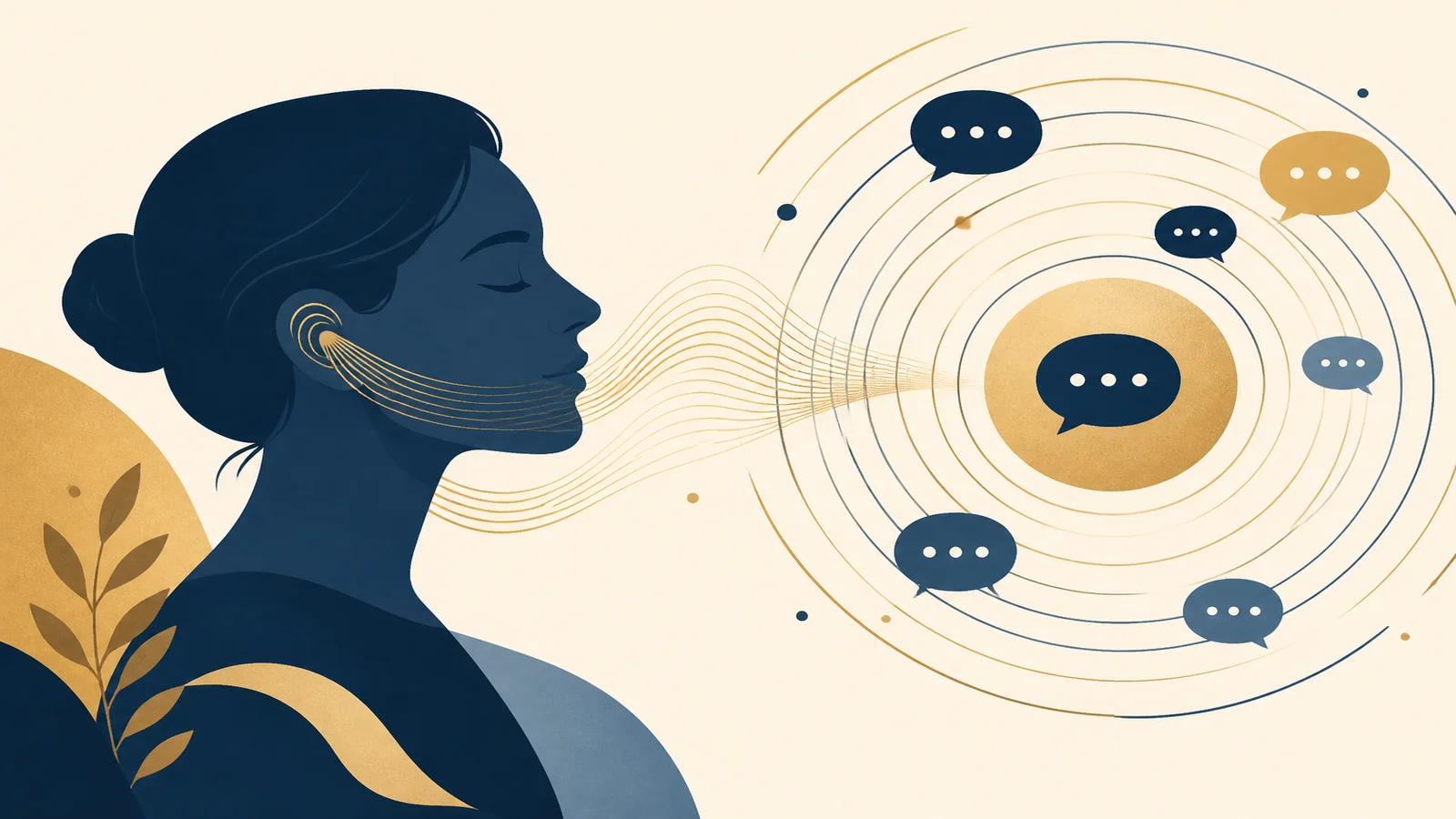
Listening is not waiting for our turn to speak; it is giving another person a safe space to explain what they feel and need before we decide how to respond.

Mature positivity does not deny a problem or reject difficult emotions; it helps us see what can be done, what can be learned and what must not be lost under pressure.
Social impact is not always a large project. It may begin with a way of speaking, a question or a word of appreciation, then expand when it becomes a habit.
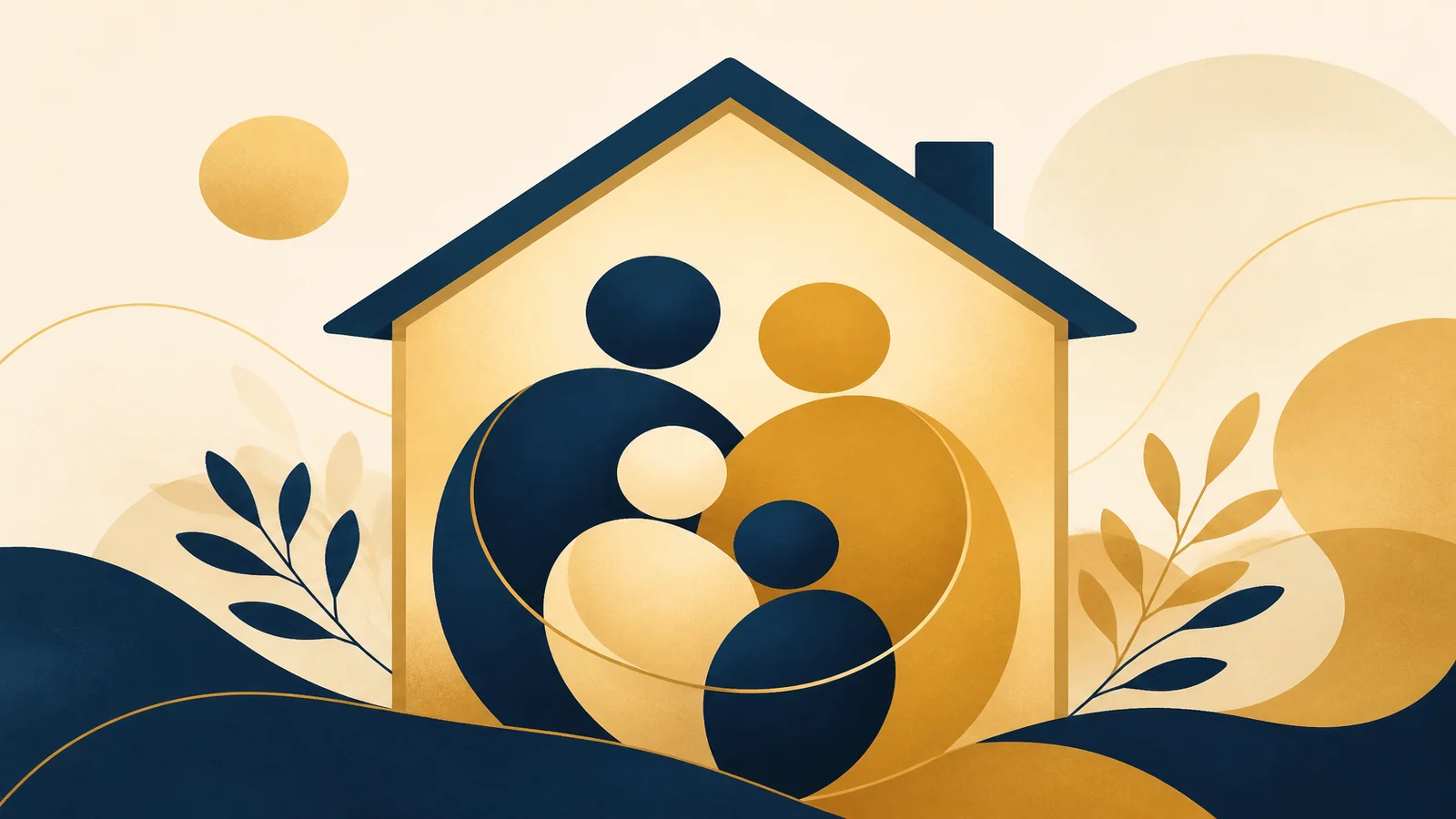
The values we carry into society are first shaped at home: through the way we speak, respect older people, accept responsibility, disagree and reconcile.
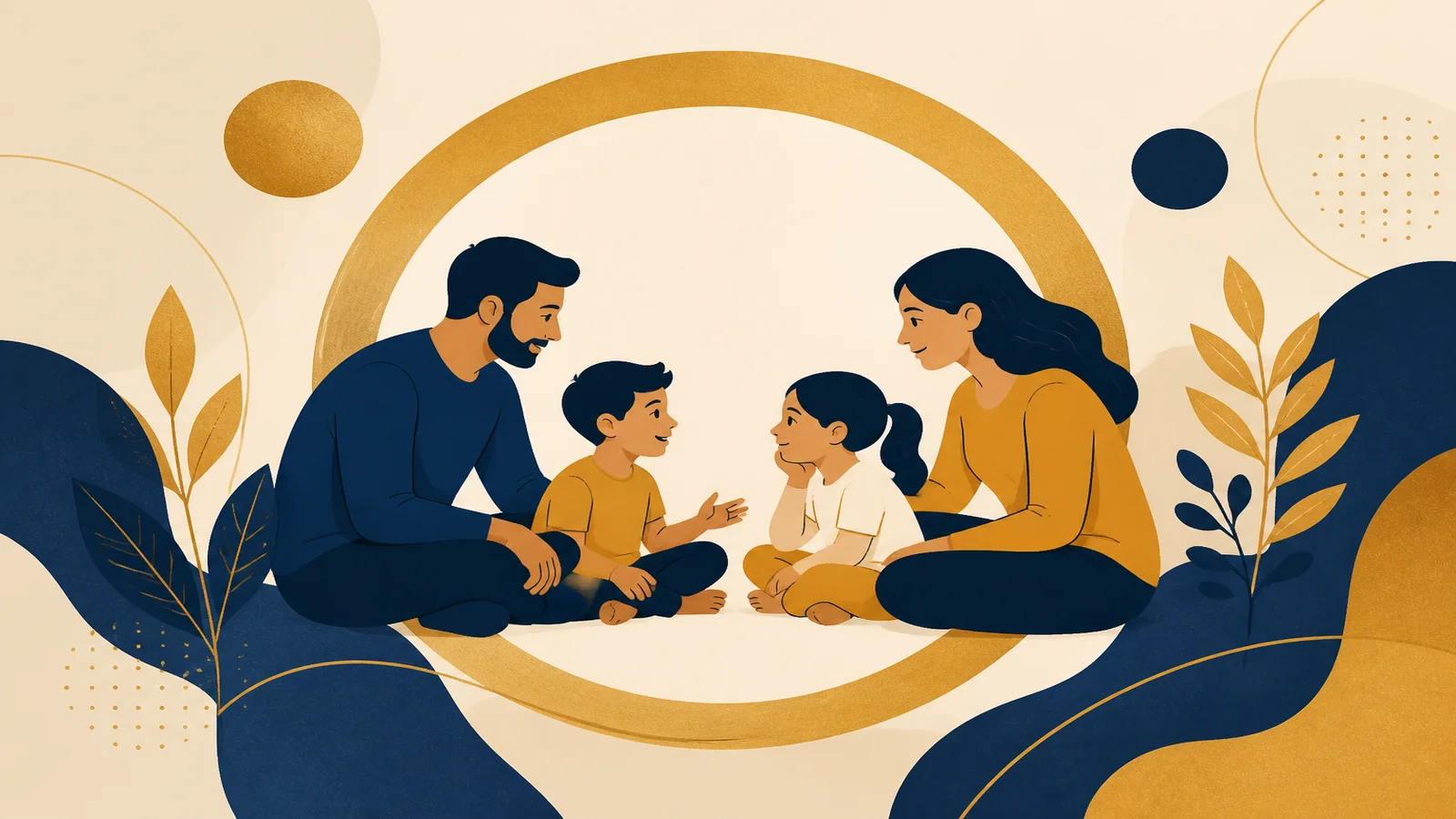
We may succeed in providing a great deal for our children, but they also need time in which they hear us without hurry and we hear their world without preconceived judgement.
Methods and tools that turn listening, communication, and understanding needs into learnable practice.
A knowledge method for organising messages and observations, turning an unstructured flow of information into clear categories that support understanding and prioritisation.
A conceptual tool for setting priorities according to urgency, impact, sensitivity and the risk of escalation rather than relying on impression alone.
A framework that turns an individual observation into broader understanding: is the issue an isolated case or a recurring pattern that could lead to improvement or a better decision?
A model showing that communication does not end when a message is referred, but when the cycle is completed and the sender is informed of the available outcome.
A simple guide that helps a person organise an idea and explain a problem clearly through facts, impact, previous actions and the requested outcome.
A conceptual model for measuring impact through response quality, closure, experience and learning, rather than merely counting messages or interactions.
A value becomes real through everyday behaviour, not through words alone.
To see the person before the situation, and to leave room for circumstances you may not fully know.
To protect a person’s dignity even when you need nothing from them, and even when you disagree.
The ability to disagree without turning difference into hostility or exclusion.
To recognise that your choices have consequences and accept your share of the outcome instead of always looking for someone else to blame.
To see reality clearly and then look for the space in which action is possible, without denying difficulty.
To understand that some results cannot be built by one person, and that sharing roles and knowledge improves the quality of work and life.
A concise idea, a small question, and room for reflection and action.
A procedure matters because it protects consistency and fairness, but a person is not merely a step in a process. Whenever possible, explain why the step exists and what will happen next. Clarity does not weaken the system; it makes it more human.
Sometimes we prepare our response while the other person is still explaining. Try delaying your answer until the picture is complete. A question that follows careful listening is often better than advice given too quickly.
Not every moving story is suitable for publication. If content can succeed only by exposing a person, it may need to be redesigned. Protect the person’s dignity first, then consider the message.
Disagreement does not require separation. You can be clear about your position while using language that protects the other person’s dignity. Strong societies are not free of difference; they know how to manage it.
Official sources consulted whenever the content discusses national directions and policies.
Focuses on an advanced society, national identity, cohesion, tolerance, giving, lifelong learning, and quality healthcare.
Read more (opens in a new window)The national plan for the decade to 2031, structured around society, the economy, diplomacy, and the national ecosystem.
Read more (opens in a new window)A framework for wellbeing at individual, community, and national levels, including healthy lifestyles, positive thinking, and family bonds.
Read more (opens in a new window)A personal knowledge platform focused on people, values, and society, sharing practical knowledge in a clear and responsible voice.
Explore the library