Preparing for the future does not mean knowing everything that will happen; it means being able to learn and adapt, guided by values that help us use change in service of people.
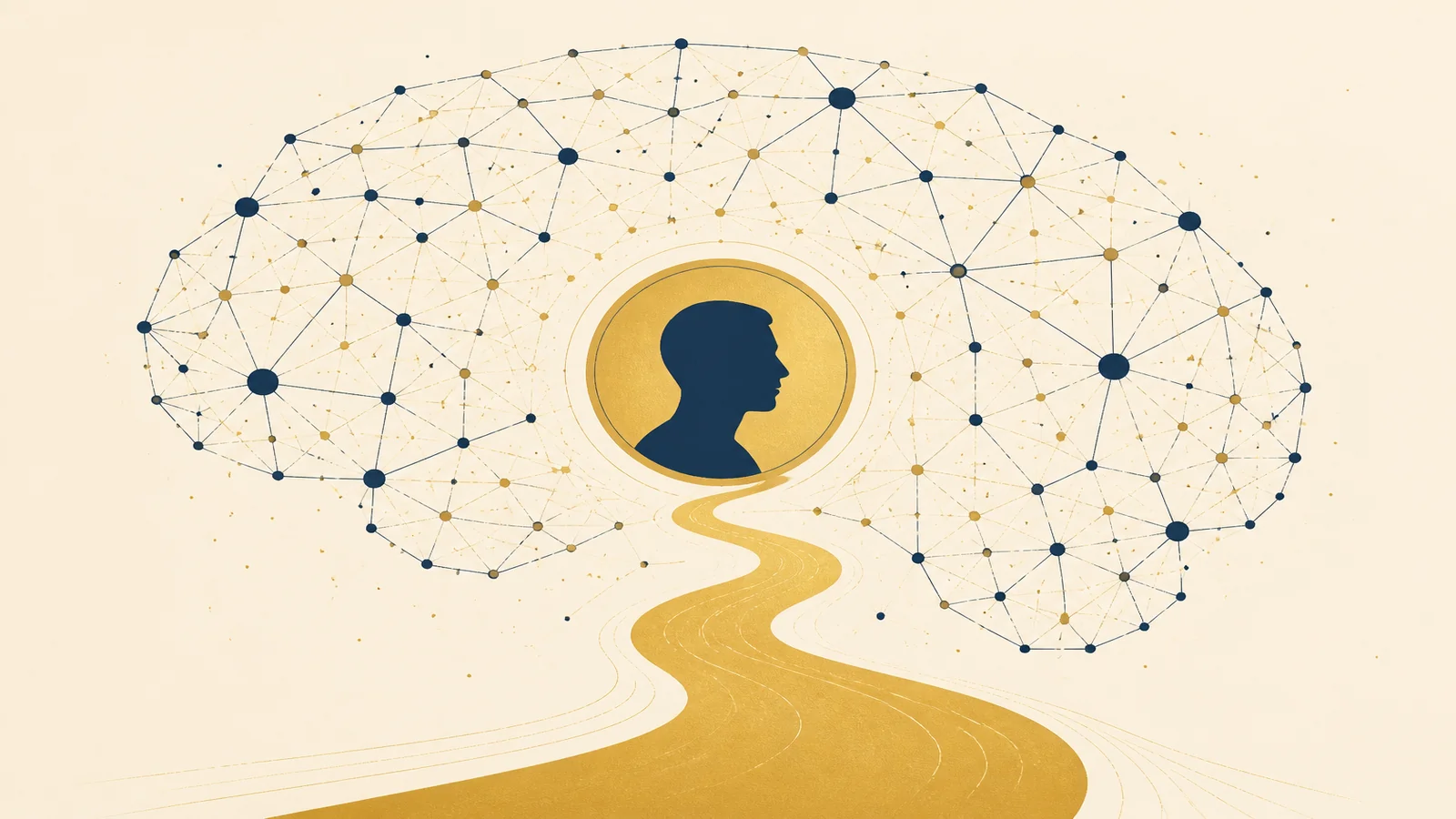
The future is, by nature, incomplete. We can anticipate directions, but we cannot know everything that will happen. Genuine readiness therefore does not depend on memorising a list of jobs or technologies expected to succeed. It depends on building capabilities that help us learn, relearn and make decisions in new circumstances.
“We the UAE 2031”, the UAE Future Map and UAE Centennial reflect long-term ambition in capability, the economy, knowledge and future systems. At the individual level, this vision can become a personal question: what should I build in myself today so I can adapt better tomorrow?
Lifelong learning
Old knowledge does not become worthless, but it may need to be updated. Someone who stops learning because they have long experience risks allowing that experience to become only one fixed way of seeing the world.
Lifelong learning does not always require a university or a long programme. It may be a book, a short course, practical experimentation or a conversation with someone younger or more specialised.
What matters is that learning is regular and changes something in understanding or practice.
Skills that outlive tools
Tools change quickly, so we need skills that move between them:
- Critical thinking.
- Asking questions.
- Communication.
- Analysing information.
- Self-directed learning.
- Working with people who are different.
- Managing change.
- Ethical judgement.
Someone who develops these skills can learn a new tool more quickly.
Values as a compass
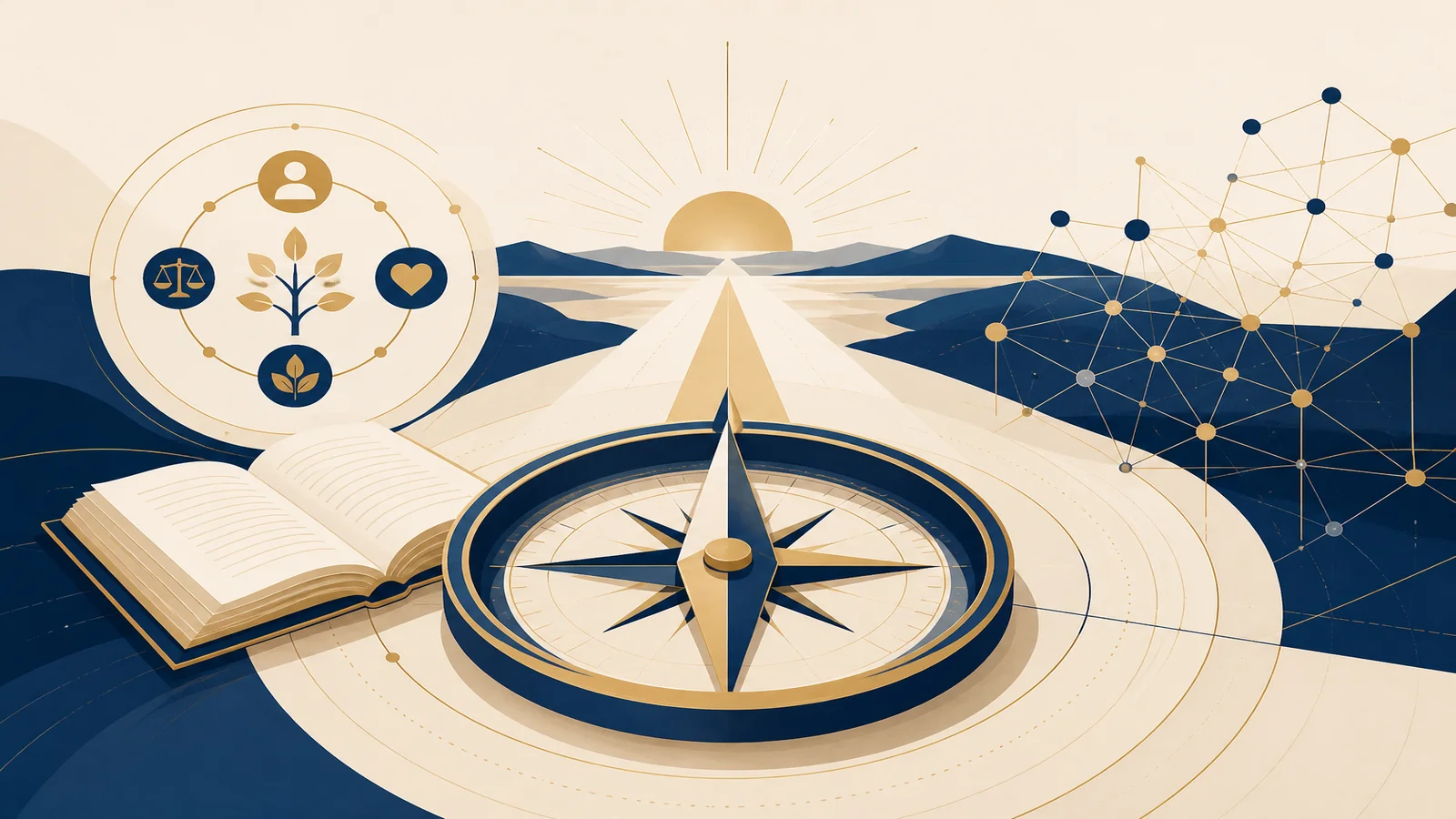
Technology sometimes answers “How?”, but it cannot answer “Should we?” by itself. Values guide that question.
When using artificial intelligence, we need privacy and fairness. When publishing content, we need honesty. When competing, we need respect for others. When developing rapidly, we need an identity that gives us balance.
Identity and values do not obstruct the future; they give us a standard by which to choose the future we want.
Do not wait for a new job before learning
Some tasks may disappear and others may change. It is better to ask now:
- Which part of my work could technology automate?
- Which part requires human judgement?
- What skill can I learn within three months?
- Which field adjacent to my specialism should I understand?
- How can I use artificial intelligence responsibly?
These questions turn anxiety into a plan.
The future is also about the family
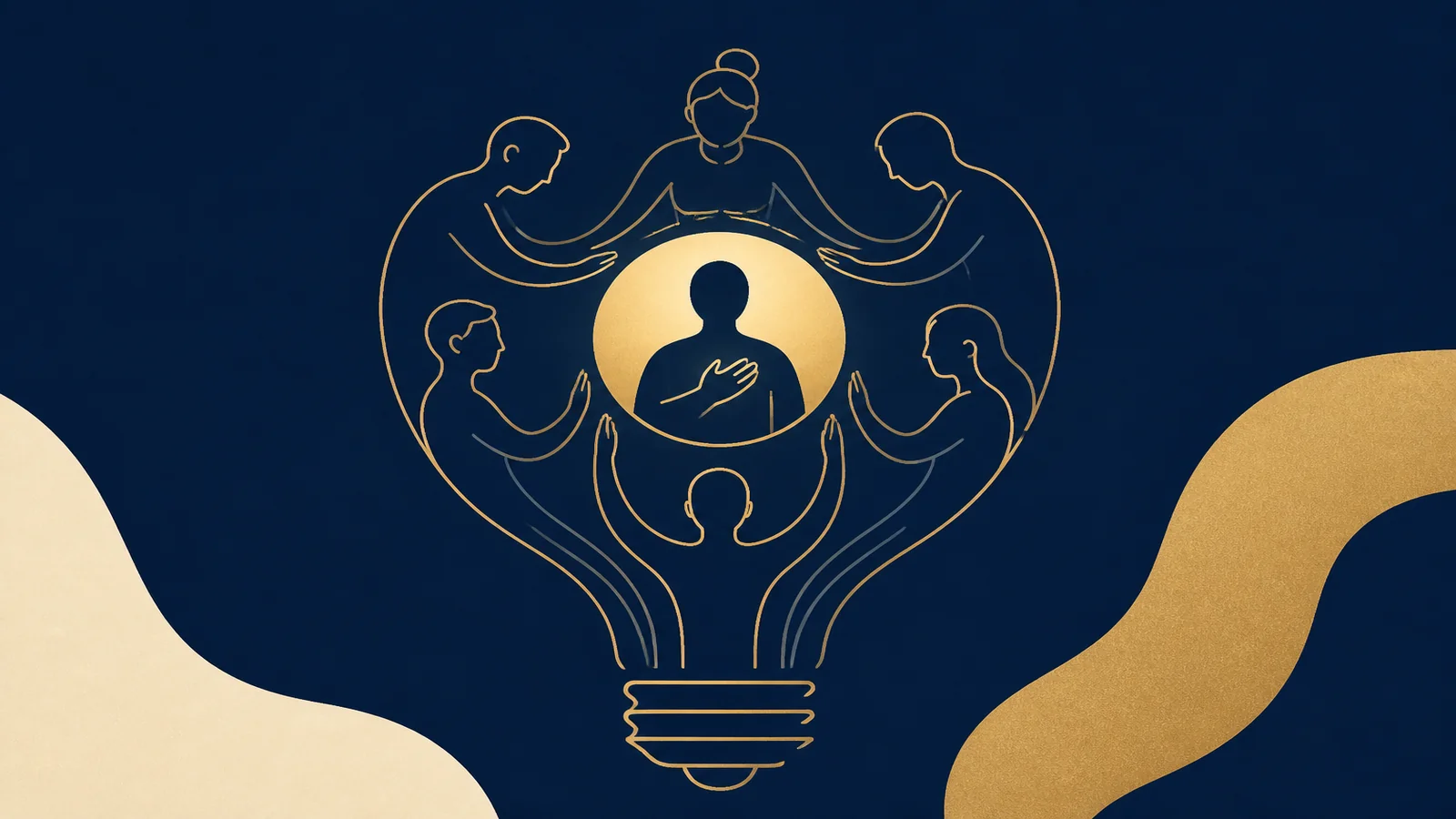
Readiness is not only professional. Families need digital skills, informed financial management, intergenerational dialogue, and psychological and social wellbeing. Society needs volunteering, tolerance and the ability to include those whom transformation may otherwise leave behind.
When some people advance quickly and others are excluded from knowledge, society pays a cost. A strong future therefore raises collective capability.
A simple personal foresight exercise
Write three pictures of the year 2031:
- What do you want your knowledge to look like?
- What do you want your relationships to look like?
- Which value do you want people to associate with you?
Then return to today and ask: what weekly habit will move me closer to each picture?
We do not need complete certainty
No person can control the future, but everyone can increase readiness. Knowledge gives us tools, and values give us direction.
That may be the best definition of preparation: being able to change without losing ourselves, and using what we learn to create better impact for people and society.
The future does not arrive suddenly on one particular day; it is formed through today’s choices.
Official references
- We the UAE 2031 Vision – The Official Portal of the UAE Government. https://u.ae/en/about-the-uae/strategies-initiatives-and-awards/strategies-plans-and-visions/innovation-and-future-shaping/we-the-uae-2031-vision
- UAE Future Map – The Official Portal of the UAE Government. https://u.ae/en/about-the-uae/uae-in-the-future/uae-future
- UAE Strategy for Artificial Intelligence 2031 – UAE Government Office for Artificial Intelligence. https://ai.gov.ae/wp-content/uploads/2023/05/AI-Report-EN-v4.pdf
- We the UAE 2031 Vision – Society Pillar – The Official Portal of the UAE Government. https://u.ae/en/information-and-services/social-affairs/society-and-we-the-uae-2031-vision
Reference links were checked during package preparation on 25 August 2026. If a policy or link changes, the official source remains the most up-to-date reference.