
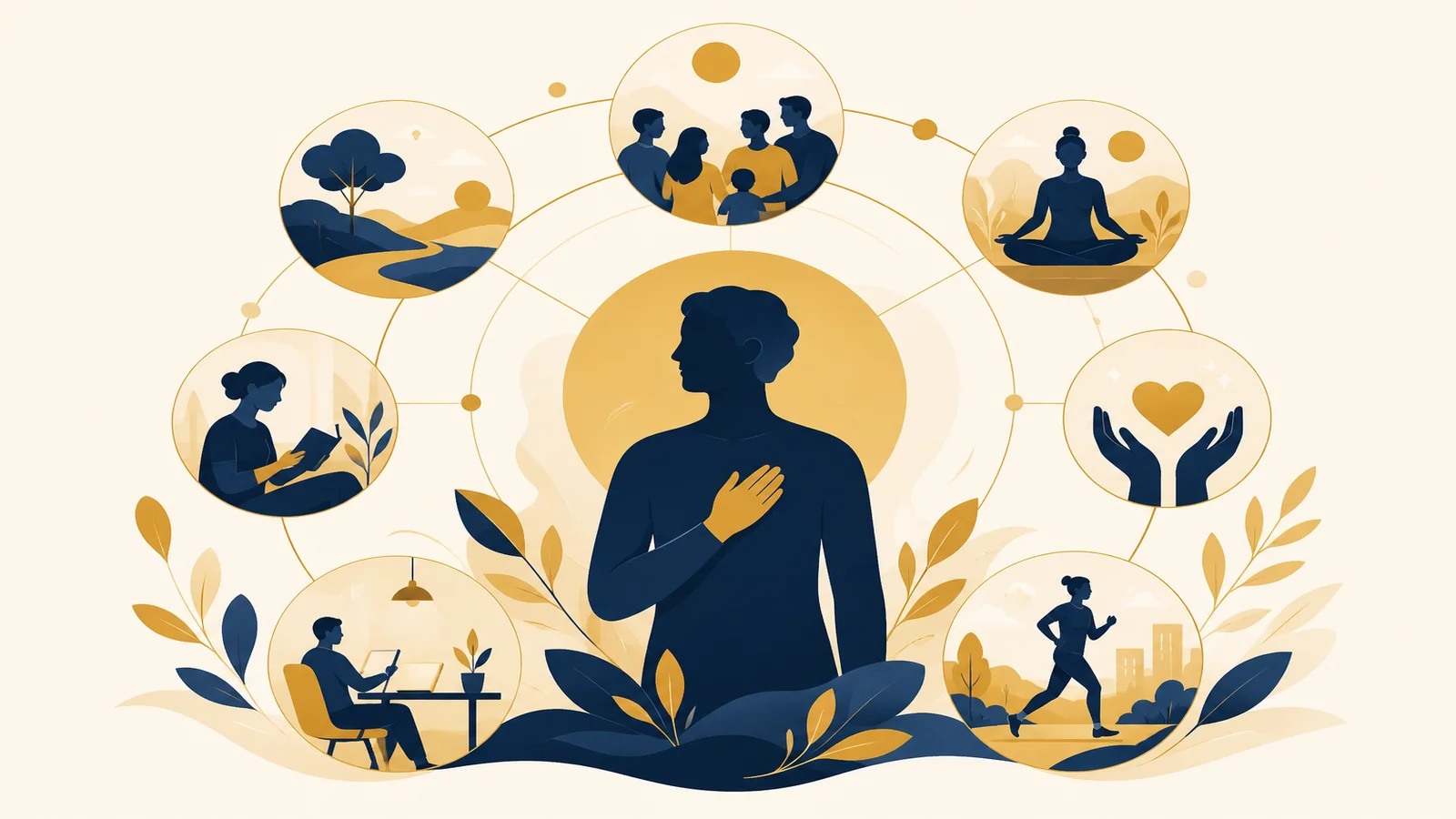
Quality of life is not built only through major projects; it is also shaped by everyday details that respect people and give them a sense of safety, care and the ability to participate.
The phrase “quality of life” can sound large, as though it belongs only to public policy, cities or institutions. In reality, it begins in very small moments: how we welcome someone who needs help, how clearly we explain information, how much respect we preserve in a conversation, whether a senior citizen can use a service easily, and whether every family member feels that their voice is heard.
The National Strategy for Wellbeing 2031 considers wellbeing at three connected levels: the individual, society and the nation. This matters because no person lives apart from their surroundings. What an individual feels is influenced by relationships, the environment in which they live, the opportunities available to them and the confidence they have in their ability to participate and make a difference.
Details are not marginal
When we say that details make a difference, we do not mean caring about appearance at the expense of substance. We mean that the human experience is made up of a chain of small details. An employee who explains calmly instead of giving a dry answer, a son or daughter who sits with their parents without a phone, a neighbour who notices that an older person needs help, or a content creator who checks a fact before sharing it: each practice may appear limited, yet together they build a culture.
A cohesive society is not built by one speech, but by repeated daily habits. Quality of life is therefore also connected to the way we think. Do we see other people as a burden or as partners? Do we assume bad intent, or ask first? Do we treat time as a purely personal resource, or make room within it for family and society?
From comfort to meaning
Quality of life is not simply another name for comfort. A person may have many convenient tools and still lack belonging, meaning or connection. Thinking about quality of life therefore requires balance between material and human dimensions: health, safety, relationships, participation, knowledge and the ability to make informed decisions.
This dimension appears in “We the UAE 2031” through its focus on an advanced and cohesive society that safeguards identity and human values while strengthening tolerance, giving and lifelong learning. These are not separate elements. Knowledge helps us make better decisions, values guide how we use that knowledge, and cohesion gives a person a network of relationships and support.
Five practices that can begin today
1. Ask before assuming. A great deal of misunderstanding begins when we interpret people’s actions without knowing their circumstances. One simple question may prevent a great deal of tension.
2. Make information understandable. When you know a process or a fact that someone else needs, explaining it in clear language is a genuine contribution to the quality of their experience.
3. Protect screen-free time. The goal is not to reject technology, but to protect moments of conversation that require full presence.
4. Notice who may be excluded from the experience. A senior citizen, a person of determination, or someone with less digital experience may face barriers others do not see. Accessibility is part of respecting people.
5. Turn gratitude into behaviour. Thanking someone, recognising an initiative or acknowledging effort may seem small, but it strengthens relationships and encourages positive conduct.
Impact does not need noise
Not every impact can be measured immediately. Sometimes the impact is that a person feels heard, a family changes the way it speaks, or a young person learns that difference does not mean hostility. What matters is moving from “What do I want from society?” to “What do I add to the quality of this society?”
Putting people first does not mean ignoring systems or objectives. It means remembering why they exist in the first place. When we understand that every policy, service, piece of content or initiative ultimately reaches the life of a real person, details become more important, and caring about them becomes part of building quality of life.
Official references
- National Strategy for Wellbeing 2031 – The Official Portal of the UAE Government. https://u.ae/en/about-the-uae/strategies-initiatives-and-awards/strategies-plans-and-visions/social-affairs/national-strategy-for-wellbeing-2031
- We the UAE 2031 Vision – Society Pillar – The Official Portal of the UAE Government. https://u.ae/en/information-and-services/social-affairs/society-and-we-the-uae-2031-vision
Reference links were checked during package preparation on 25 August 2026. If a policy or link changes, the official source remains the most up-to-date reference.