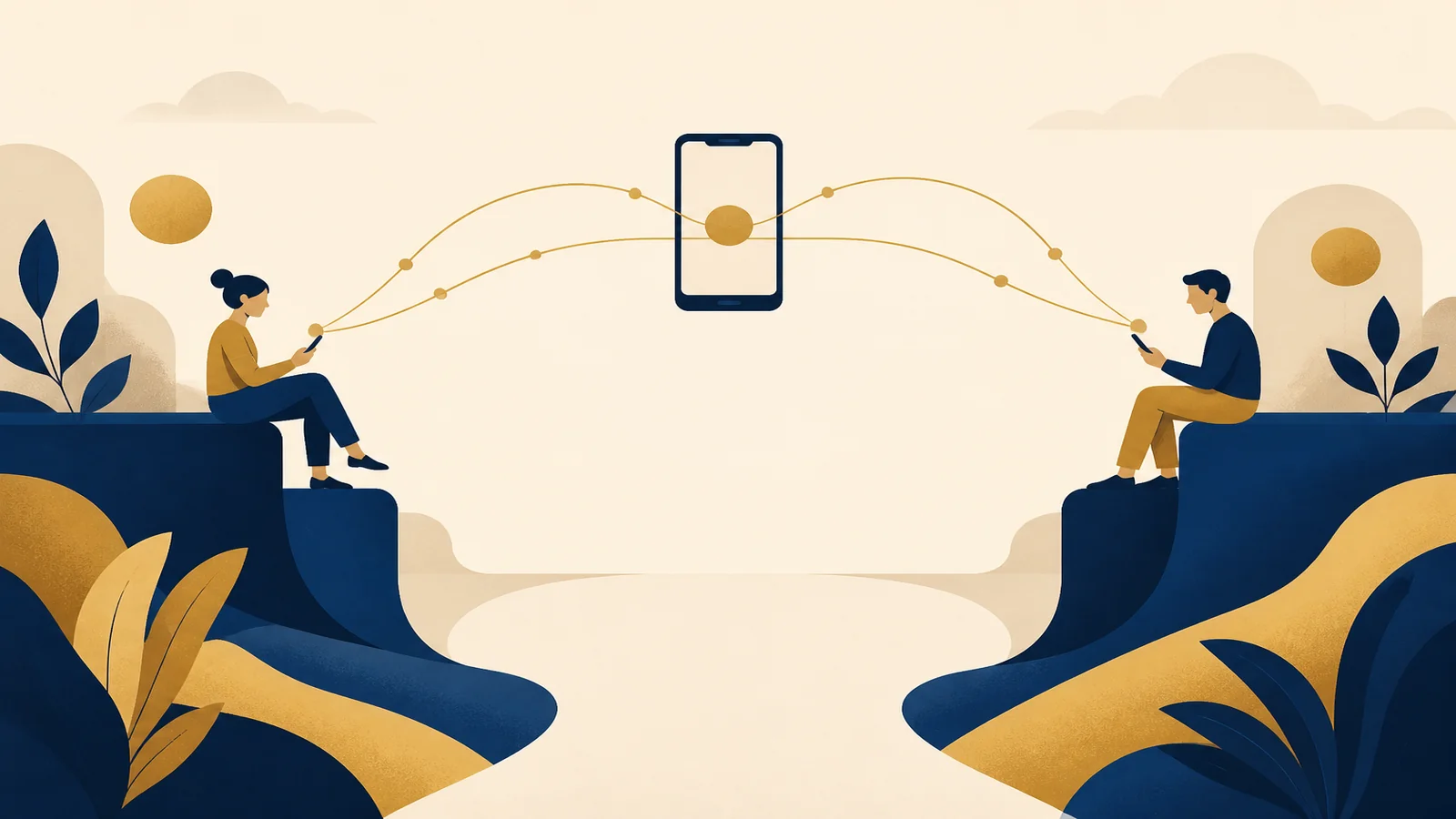

Digital behaviour is an extension of human behaviour. Respect, privacy, verification and emotional self-control do not stop when we leave the physical world.
It is easy to feel that the digital world is separate from real life. We write quickly, comment while angry, forward material without checking it and then close the screen. Yet the impact does not disappear when an application closes. There are real people behind accounts, and what we publish helps shape society’s environment just as our words do in a gathering or in the street.
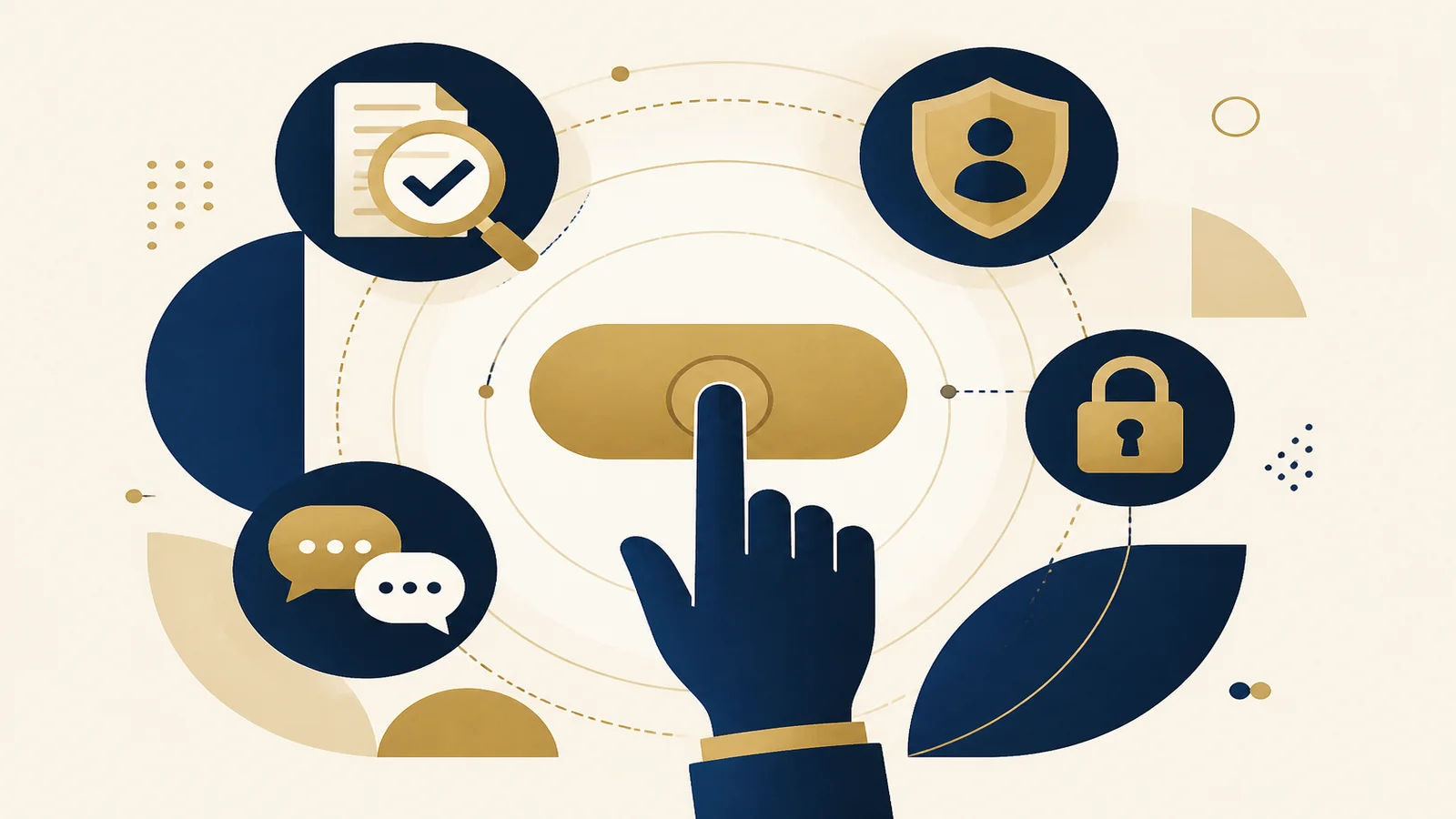
The UAE National Policy for Quality of Digital Life focuses on four dimensions: digital capabilities, digital behaviour, digital content and digital communication. These dimensions place responsibility at the heart of the digital experience—not only with technology providers, but with each user.
Distance can give us excessive boldness
When we cannot see the other person’s face, signals of empathy are reduced. A sentence we might hesitate to say face to face can be typed easily in a comment. A simple test can help before publishing: could I say these words respectfully to the same person if they were in front of me?
If the answer is no, the response may need to be rewritten or left unpublished.
Do not let anger edit the text
Platforms move quickly, but people do not have to respond at the same speed. When content makes you angry, give yourself a few minutes. Read the source, understand the context and ask whether the response will add anything or only create more noise.
A short delay prevents many mistakes: an insult, an inaccurate claim or the sharing of something we later regret.
Verify before you share
Reposting is not neutral; it gives information a new audience. Before sharing a news item, ask:
- What is the original source?
- Is the date current?
- Does the headline reflect the content?
- Is the image from the event itself?
- Is there an official entity or trusted source that can confirm it?
When we cannot verify something, we can simply choose not to share it.
Privacy is a form of respect
Not everything that reaches your phone is suitable for publication. A family photograph, voice note, phone number or personal story may be private even when it is not labelled “confidential”.
Ask before sharing another person’s image, particularly a child’s. Do not film an act of assistance or a humanitarian situation in a way that exposes the recipient’s dignity simply to create moving content.
A difference of opinion does not justify bullying
Collective ridicule may feel entertaining to those taking part, but it can be deeply painful for the target. Avoid comments about appearance, accent or nationality, and focus on the idea when there is something worth discussing.
When you see bullying, you do not always need to enter a confrontation. You can refuse to participate, report content when appropriate or support the person with a respectful message.
Build a digital space that reflects your values
Algorithms learn from what we click. If we continually engage with angry content, more of it will appear. We can manage our environment:
- Follow trusted sources.
- Unfollow accounts that continually drain you.
- Make time for long-form content, not only short clips.
- Share useful knowledge as well as entertainment.
- Do not let your phone be the first and last thing you see each day.
Digital citizenship is not only a technical subject
It is an extension of identity and values. When we respect privacy, verify news, reject hatred and use technology to build knowledge and relationships, we contribute to a safer and more positive digital society.
Being positive behind the screen is not only about posting beautiful quotations. It means that our use of technology remains consistent with the respect and responsibility we expect in the physical world.
Official references
- National Policy for Quality of Digital Life – The Official Portal of the UAE Government. https://u.ae/en/about-the-uae/strategies-initiatives-and-awards/policies/government-services-and-digital-transformation/national-policy-for-quality-of-digital-life
- We the UAE 2031 Vision – Society Pillar – The Official Portal of the UAE Government. https://u.ae/en/information-and-services/social-affairs/society-and-we-the-uae-2031-vision
Reference links were checked during package preparation on 25 August 2026. If a policy or link changes, the official source remains the most up-to-date reference.