
Discover

Cooperation

To understand that some results cannot be built by one person, and that sharing roles and knowledge improves the quality of work and life.

To understand that some results cannot be built by one person, and that sharing roles and knowledge improves the quality of work and life.

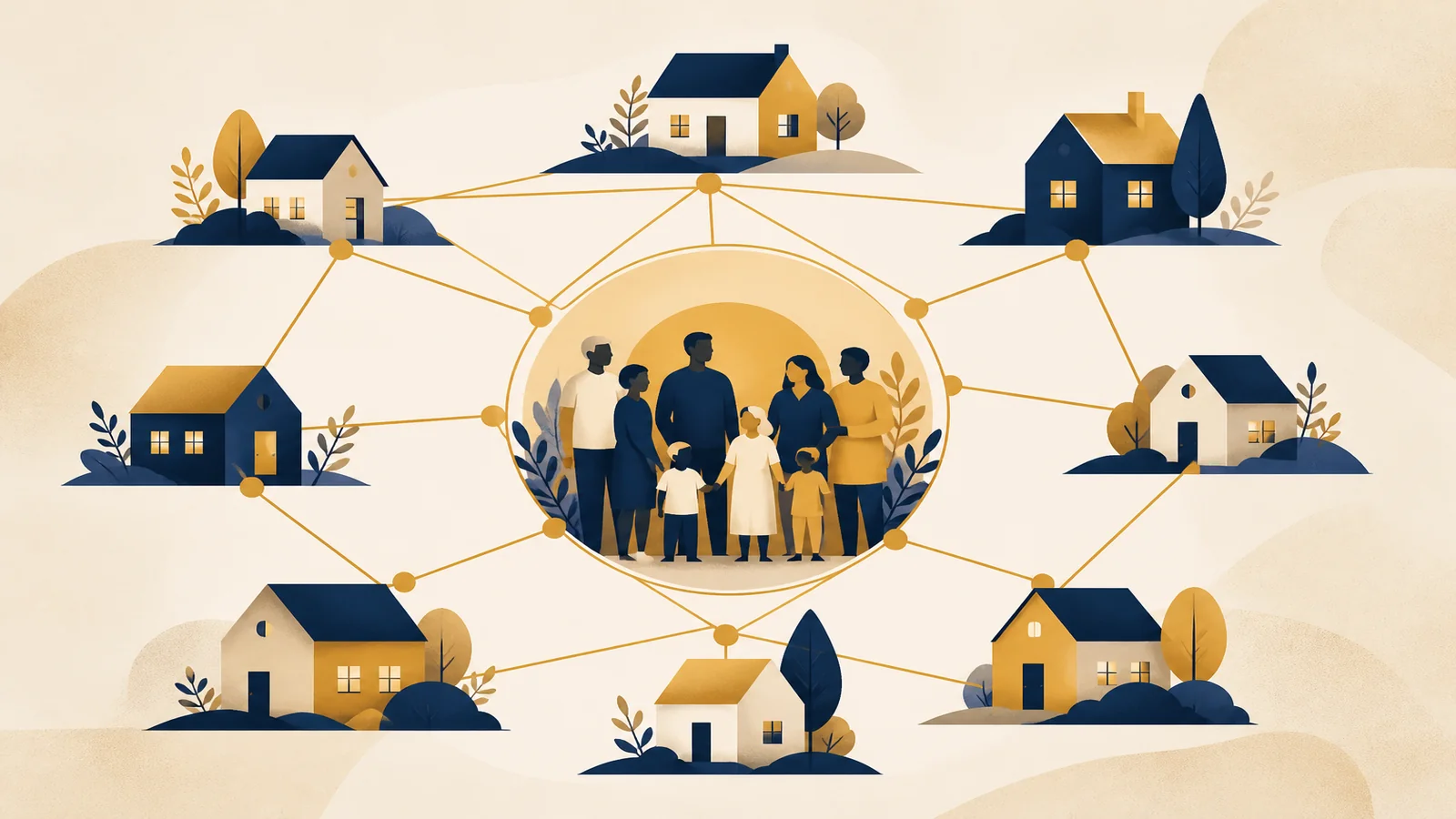
Cooperation does not mean everyone doing the same thing. Its strength lies in different roles, a clear goal and the ability to trust.

We need cooperation in families, society, work and volunteering, but it cannot succeed without clear communication and a fair share of responsibility.

How do we live it?

  • Explain clearly what you need from another person.
  • Share the information the team needs.
  • Give others credit.
  • Do not hold on to a task only to prove that you are indispensable.
  • Ask for help before the outcome is put at risk.

A question for reflection

Do I make cooperation easier or more complicated for the people who work with me?
Articles

Related articles

Practical ideas that help us listen, communicate, and live our values in everyday life.

An abstract clock whose hands become two cooperating hands, symbolising time transformed into giving.
Values and Positive Citizenship

Volunteering: When Time Becomes Value for Others

Effective volunteering is measured not only by hours, but by how well effort matches need, the quality of participation, and what we learn and leave behind after the activity.

3 min read
A small point gradually becoming a broad network of ideas in a simple, energetic composition.
Innovation and the Future

A Small Problem May Carry a Big Idea

Recurring problems that we learn to live with may be the best sources of innovation. Change begins when we stop treating everyday friction as something that cannot be improved.

3 min read