Discover

Compassion

To see the person before the situation, and to leave room for circumstances you may not fully know.

To see the person before the situation, and to leave room for circumstances you may not fully know.

Compassion is not weakness and does not mean giving up what is right. It means preserving our humanity when we respond to mistakes, need or difference.

Compassion appears when we choose a less severe interpretation before knowing every detail, explain calmly to someone who does not know, and consider a senior citizen, a child or a person facing pressures we cannot see.

How do we live it?

  • Do not judge a person hastily from one situation.
  • Ask before you assume.
  • Never turn someone’s vulnerability into material for ridicule or content.
  • Combine clarity with kindness.
  • Help within your ability without taking away the other person’s dignity.

A question for reflection

Do I respond to other people’s mistakes in the way I hope they would respond to mine?
Articles

Related articles

Practical ideas that help us listen, communicate, and live our values in everyday life.

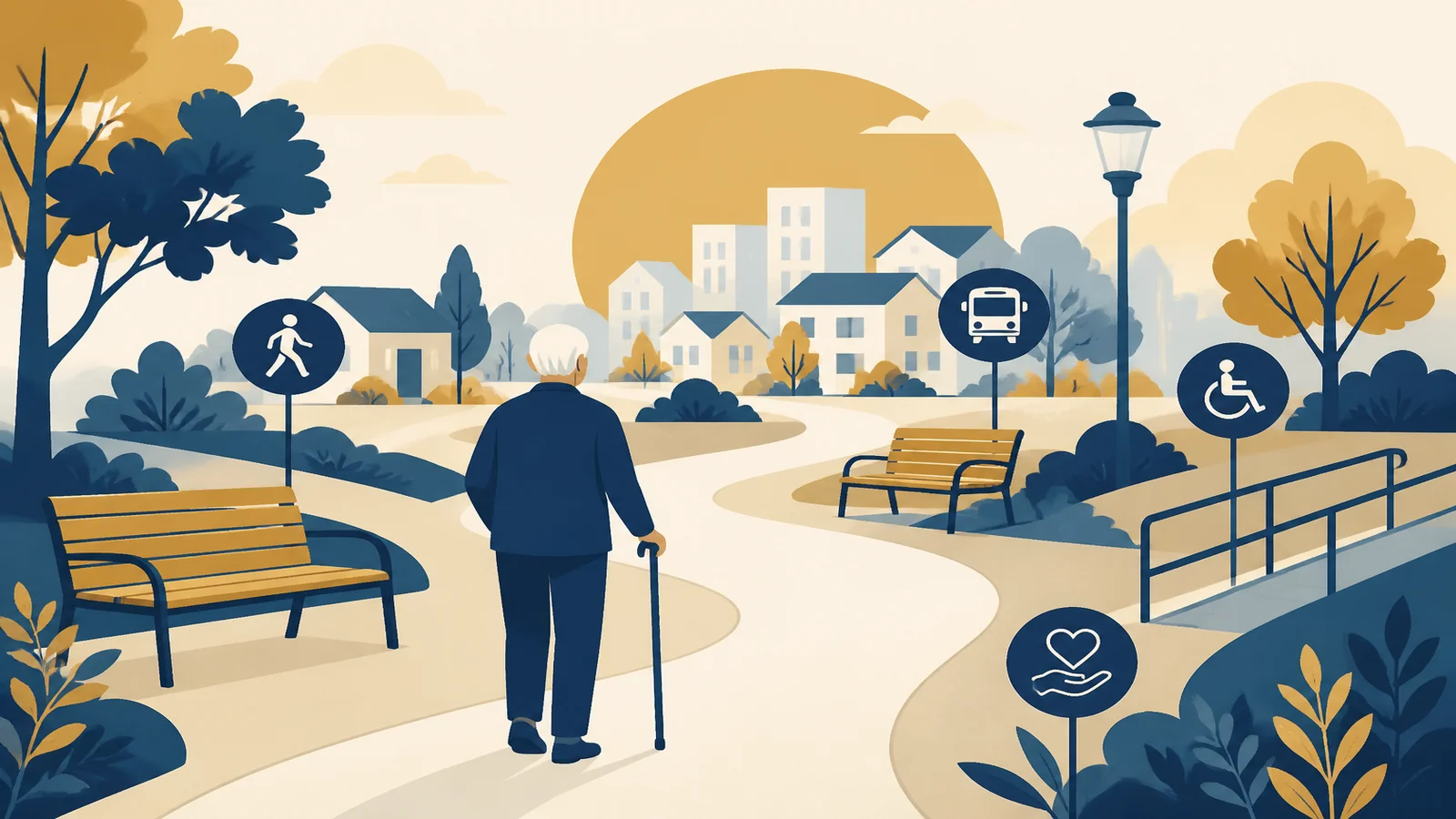
A clear route, seats and simple accessibility symbols around an older figure in a calm, spacious composition.
Senior Citizens and People of Determination

What Makes a Community Age-Friendly?

An age-friendly community does not ask older people to adapt alone; it makes places, information, services and communication clearer, easier and more respectful.

3 min read
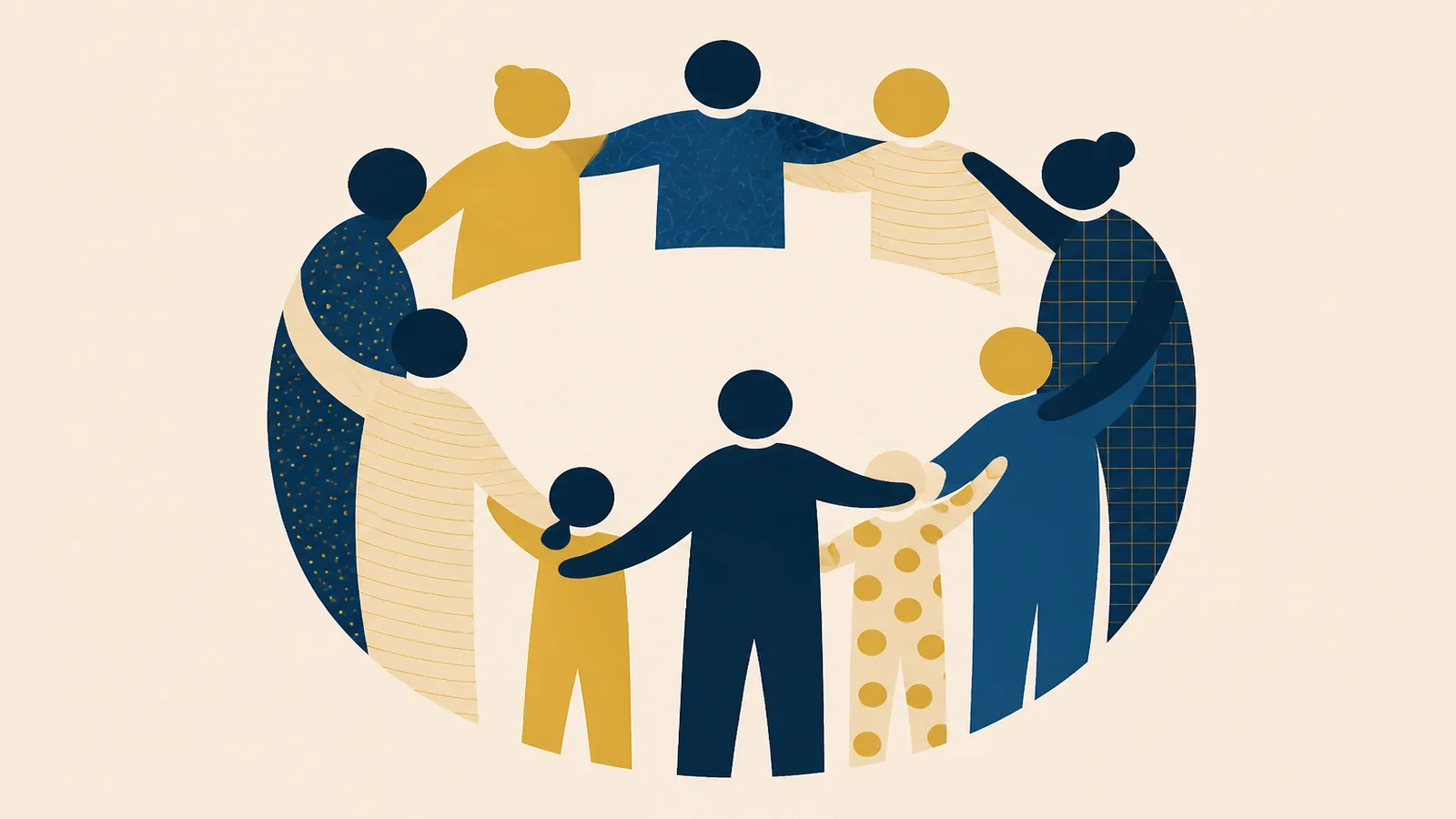
Human forms of different sizes and patterns within one open-edged circle symbolising inclusion.
Senior Citizens and People of Determination

Inclusion Begins with Respecting Difference

True inclusion is not opening a door and then asking everyone to use the space in the same way; it means designing participation so every person can enter, choose and express themselves.

3 min read